
Gathering Spaces Designed Around Fire Features
Fire Pits and Outdoor Fireplaces in Prairieville for backyards that need inviting focal points for family and guest entertainment
Fire features create natural gathering points in outdoor living areas, drawing people into comfortable seating arrangements and extending usable hours into cooler evenings. These installations range from simple fire pit rings to built masonry fireplaces with hearths, mantels, and integrated seating walls. Positioning matters—fire features work best when located away from overhanging trees, oriented to prevail wind patterns, and surrounded by adequate clearance for seating without excessive smoke or heat exposure. Crescent City Solutions constructs custom fire pits and outdoor fireplaces in Prairieville using durable materials selected for year-round outdoor exposure and designs that complement surrounding patio and landscape features.
Construction methods vary based on fuel type and design complexity. Wood-burning features require proper ventilation and ash management, gas installations need buried fuel lines and ignition systems, and all designs must account for heat-resistant materials near flame zones and stable foundations that prevent settling or cracking under repeated heating cycles.
Add a custom fire feature to your backyard by scheduling a design consultation that reviews placement options and construction details.
Our Services
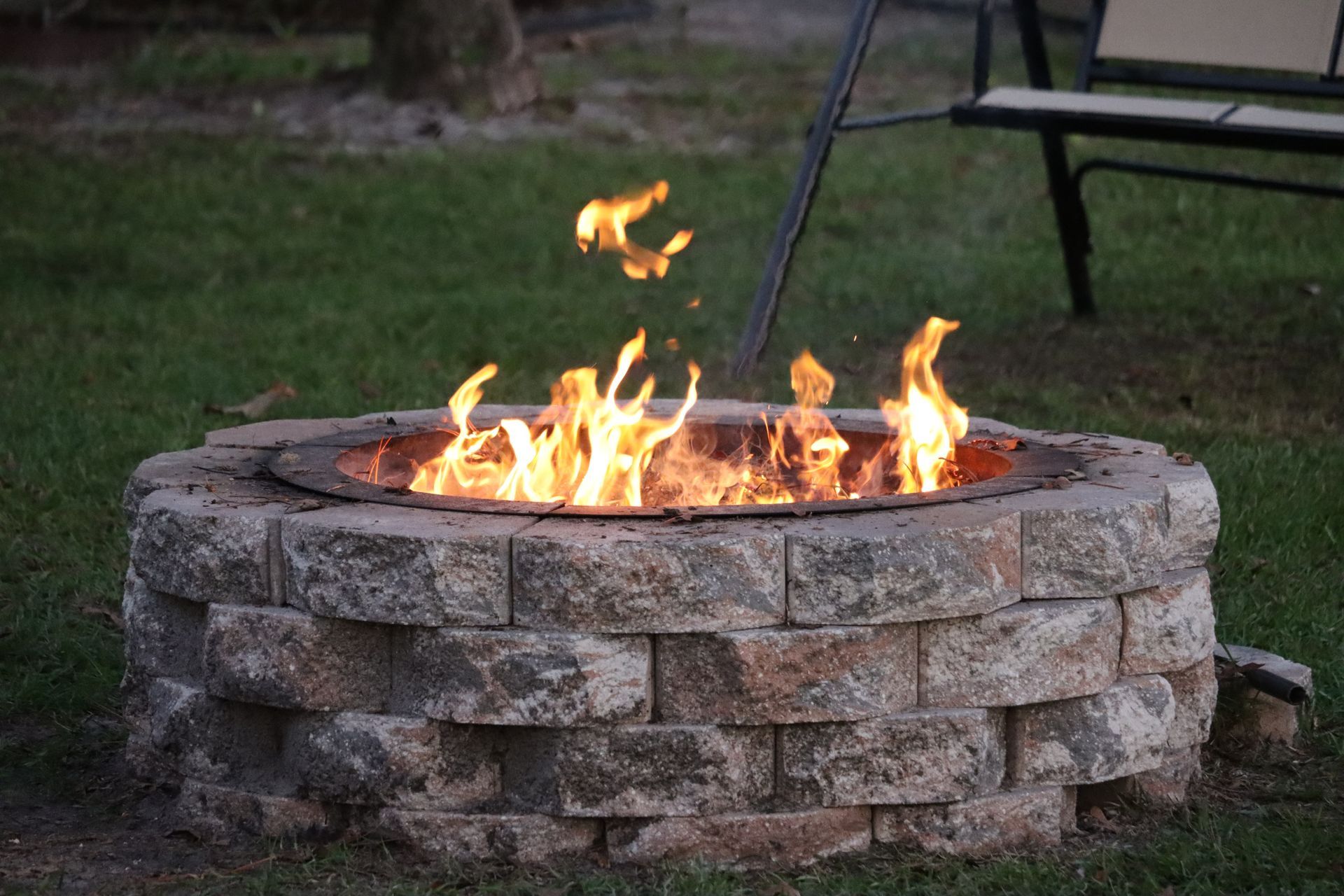
The Difference Between Fire Pits and Outdoor Fireplaces
Fire pits offer 360-degree seating flexibility and work well in open patio areas where informal gathering is the goal. Outdoor fireplaces provide vertical structure that defines space, offers wind protection, and creates a backdrop for furniture arrangements. Material selection includes natural stone, manufactured block, brick, or poured concrete, each offering different textures and installation techniques. Heat-resistant mortar and firebrick liners protect structural materials from damage caused by repeated thermal expansion.
After installation, the fire feature becomes a usable focal point that organizes outdoor furniture placement and creates ambiance without relying on portable units that rust or degrade quickly. Built-in designs remain stable and weather-resistant, handling Louisiana's humidity, seasonal rain, and temperature fluctuations without requiring annual replacement. Gas systems light reliably with simple controls, while wood-burning options provide traditional fire experience with proper draft and airflow.
Design decisions include choosing between wood and gas fuel, determining appropriate size relative to surrounding space, and selecting finishes that match other hardscape materials. Features like seating walls, built-in wood storage, or surrounding stone patios can be integrated during construction to create cohesive outdoor environments rather than isolated elements.
Questions Before Starting Your Project
Homeowners considering fire features typically need guidance on placement, fuel options, and construction specifics before finalizing designs for their outdoor spaces.
What determines whether a fire pit or outdoor fireplace works better for a specific backyard layout?
Fire pits suit open areas where seating flexibility and casual gathering are priorities, while fireplaces define space, provide wind protection, and work well as anchors for covered patios or structured outdoor rooms.
How are gas lines routed to fire features without visible piping across finished surfaces?
Gas supply lines are trenched underground from the home's meter or propane tank to the fire feature location during base construction, with connections positioned inside the fire pit or fireplace structure where they remain hidden.
What materials resist heat damage and weather exposure for long-term durability?
Fire-rated brick or refractory panels line areas exposed to direct flame, while natural stone, reinforced concrete, or mortared block form outer structure—all selected to handle Prairieville's humidity without deterioration and thermal cycling without cracking.
When should fire features be positioned to avoid smoke issues during use?
Placement considers prevail wind direction to direct smoke away from primary seating areas, adequate distance from overhangs or structures, and clearance from plantings that could ignite or suffer heat damage.
What maintenance do custom fire features require after installation?
Gas systems need periodic burner cleaning and connection checks, wood-burning features require ash removal and occasional repointing of mortar joints, and all designs benefit from covering during extended non-use periods to prevent water accumulation.
Crescent City Solutions designs fire features customized to your outdoor layout and intended use. Reach out to discuss placement, material options, and construction methods that fit your property and entertainment goals.